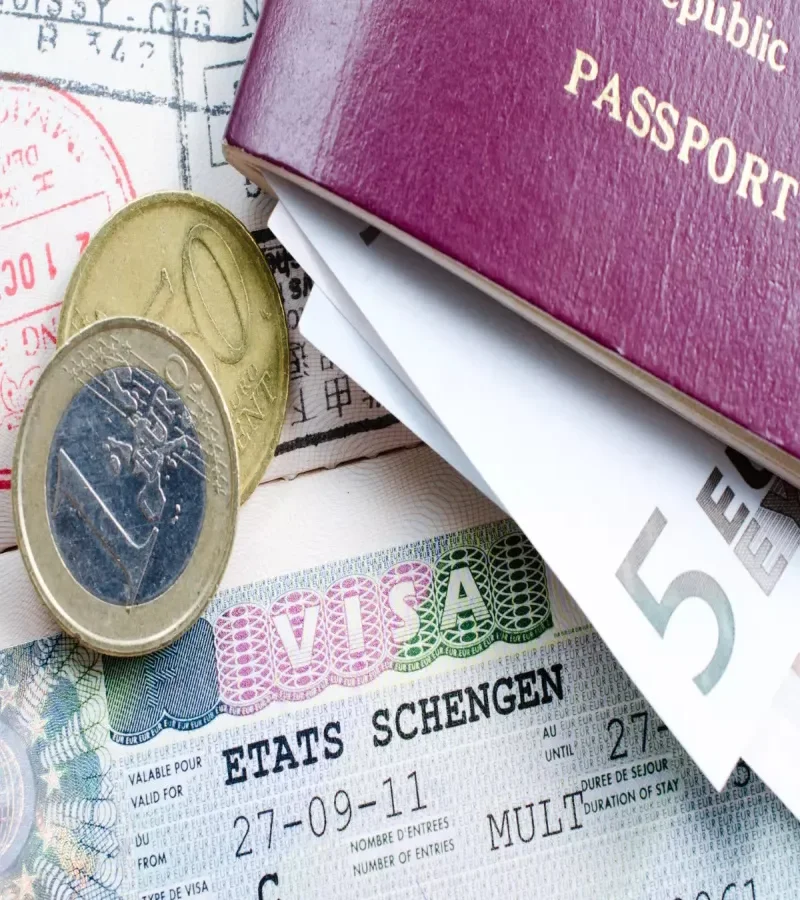
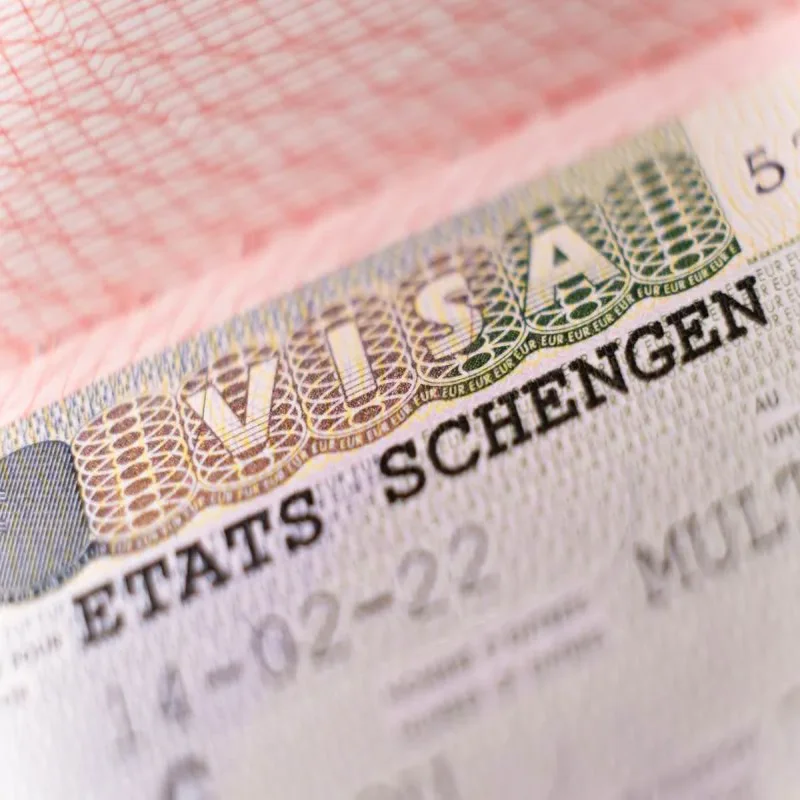
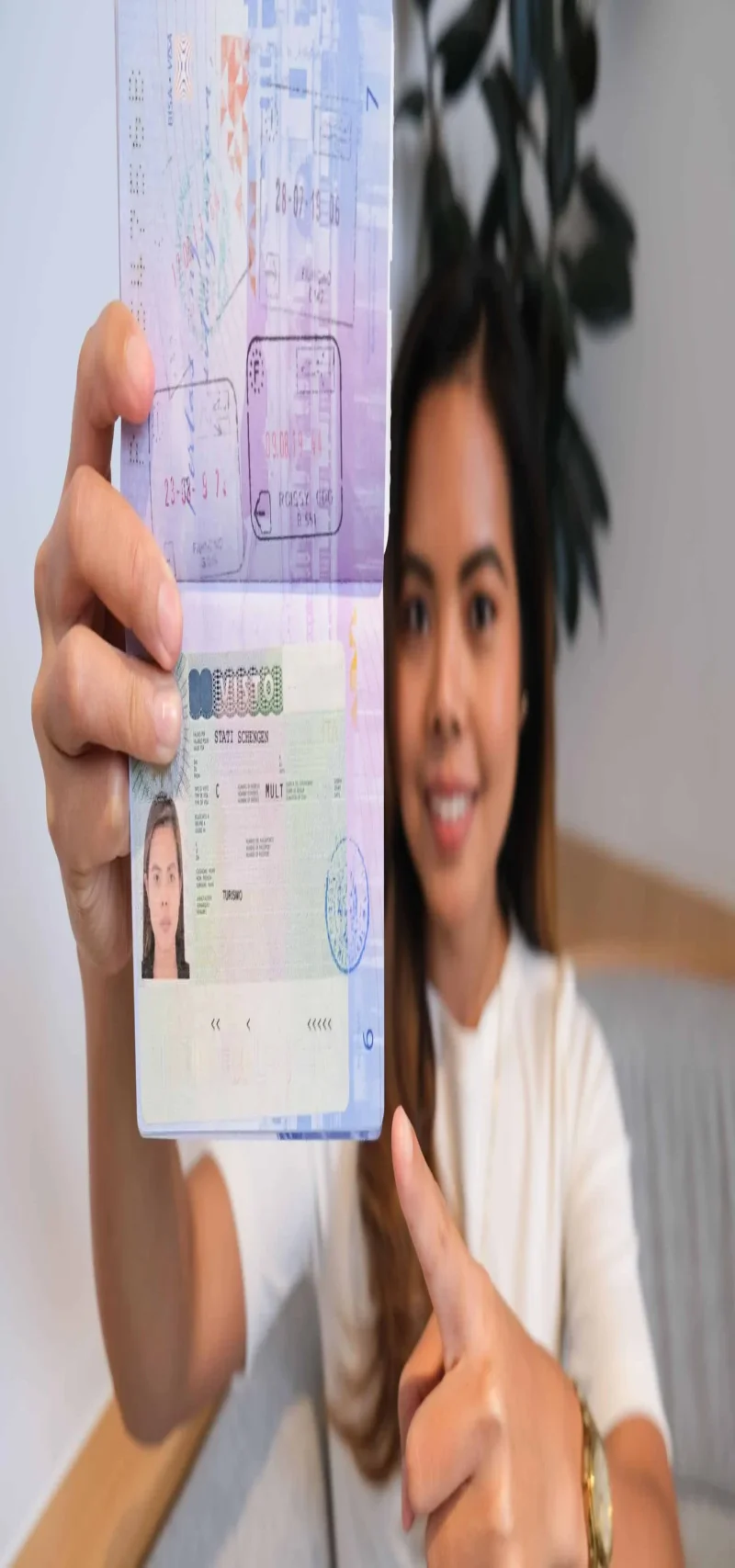
The Schengen Agreement, signed in 1985, paved the way for the creation of the Schengen Area, a unique travel zone where 29 Schengen visa countries have abolished their internal borders. This means that once you enter one of these Schengen states, you can freely travel within the entire area without having to go through internal border controls. However, when entering or exiting the Schengen Area, you'll need to pass through the external borders and comply with the respective entry and exit procedures.
The Schengen Area consists of 25 European Union member states, along with non-EU countries like Iceland, Liechtenstein, Norway, and Switzerland, making it a dream destination for travelers seeking to explore diverse cultures and landscapes across Europe.
The external Schengen border is where travelers from non-Schengen countries, including some non-EU countries, need to present a valid visa and go through immigration checks. To ensure the security and integrity of the Schengen Area, all member states adhere to the Schengen Acquis, a set of common rules and regulations, including the Schengen Borders Code, which governs border control procedures at both internal borders and external borders.
1. Choosing Your Schengen Visa Type
The first step is figuring out which type of Schengen visa you need. It's like picking the right outfit for the occasion. Here are the main options:
- Tourist Visa: If your main goal is sightseeing, museum hopping, and soaking up the European vibes, this is your go-to.
- Business Visa: Heading to Europe for meetings, conferences, or other work-related activities? This is the visa for you.
- Transit Visa: If you're just passing through a Schengen country on your way to another destination, this is your ticket.
2. Checking the Eligibility Boxes
Before you get too excited, let's make sure you meet the basic requirements. Don't worry, they're not too demanding!
- Passport Power: Your passport needs to be valid for at least three months beyond your planned stay in the Schengen Area.
- Travel Insurance: You'll need a travel insurance policy that covers medical expenses up to €30,000 in case anything unexpected happens.
- Show Me the Money: You'll need to prove that you can support yourself financially during your trip. This could be through bank statements, payslips, or other financial documents.
3. The Photo Finish
Getting your Schengen visa photo right is like getting your passport photo taken – except there are even more rules! Your photo needs to be recent, have a plain background, and meet specific size requirements. You can't smile or make funny faces, either. Just think of it as your official "Schengen selfie."
4. The Application Adventure
Now comes the exciting part – applying for your visa! You have two options: online or in-person. Online applications are usually more convenient, but some countries might still require you to apply in person.
You'll need to gather all the required documents (which we'll cover in more detail later) and submit them along with your Schengen visa application form and visa fee. Some embassies or consulates might even require an interview, so be prepared to answer some questions about your trip.